

A tractor’s advertised engine horsepower is a starting point, not a complete buying decision. A good match depends on the implement, soil, operating speed, field layout and the time available to finish the work. For international equipment buyers, these requirements need to be clear before a model and export configuration are selected.
Engine power is not the same as PTO or drawbar power
Penn State Extension distinguishes engine, power take-off (PTO) and drawbar ratings. They describe power at different parts of the tractor. A PTO-driven implement needs the appropriate PTO performance, while a trailed cultivation tool depends on usable pulling performance. Compare ratings measured under stated conditions rather than treating every horsepower figure as interchangeable.
Read the specifications against the actual implement
Nebraska Tractor Test Laboratory describes PTO, hydraulic flow, three-point linkage and drawbar testing in OECD tractor assessment. These are useful questions to bring to a supplier: what is the rating, how was it measured, and which configuration does it cover? A model’s presence in a commercial catalogue does not establish independent certification.
- PTO: verify required shaft speed, connection, operating power and the implement’s specified limits.
- Hydraulics: record flow, pressure, required outlets and the operating demands of the attachment.
- Linkage: check hitch category, lift requirements, physical clearance and the manufacturer’s compatibility guidance.
- Traction: describe soil, slopes and field conditions when comparing drive and tyre configurations.
Allow for combined demands
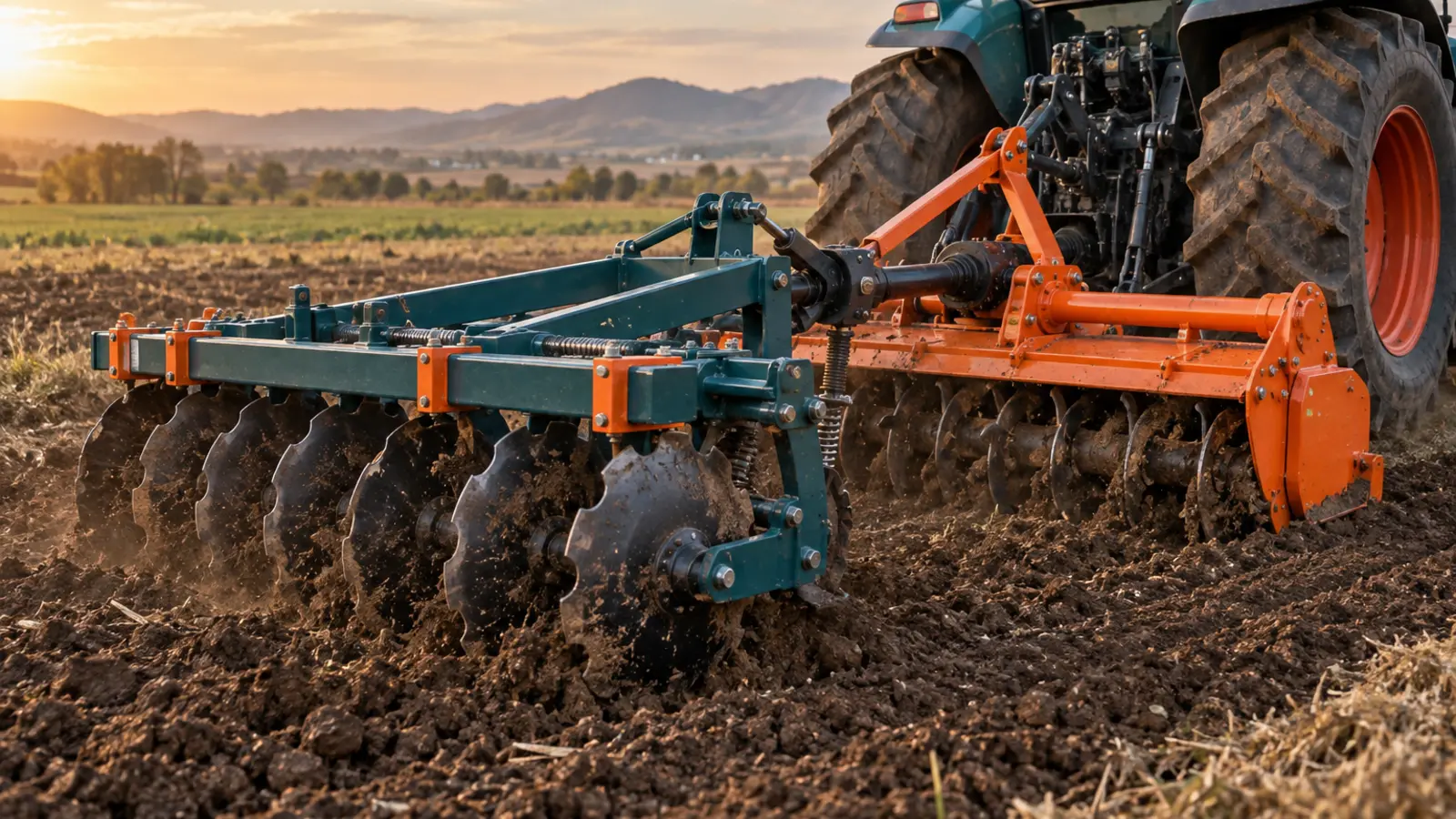
University of Nebraska research explains that modern implements may use PTO, hydraulic and drawbar power together. Passing one specification check does not show that the complete combination is suitable. Ask the supplier to confirm the tractor-and-implement pairing, not merely the tractor’s engine rating.
Size the system around the work window
The FAO machinery-selection course frames selection as assessment of power sources and implements for the operation. Begin your own equipment brief with the crops, tasks, cultivated area, field access and days available. Add the working width and realistic operating speed of the proposed implement, and allow for turning, refilling and interruptions.
A larger machine may finish a task sooner, but capacity that cannot be used in your fields is not automatically valuable. Ask for a written comparison of two configurations against the same work plan. Include operator requirements, maintenance access and expected annual use.
Use catalogue models as examples, not a universal recommendation
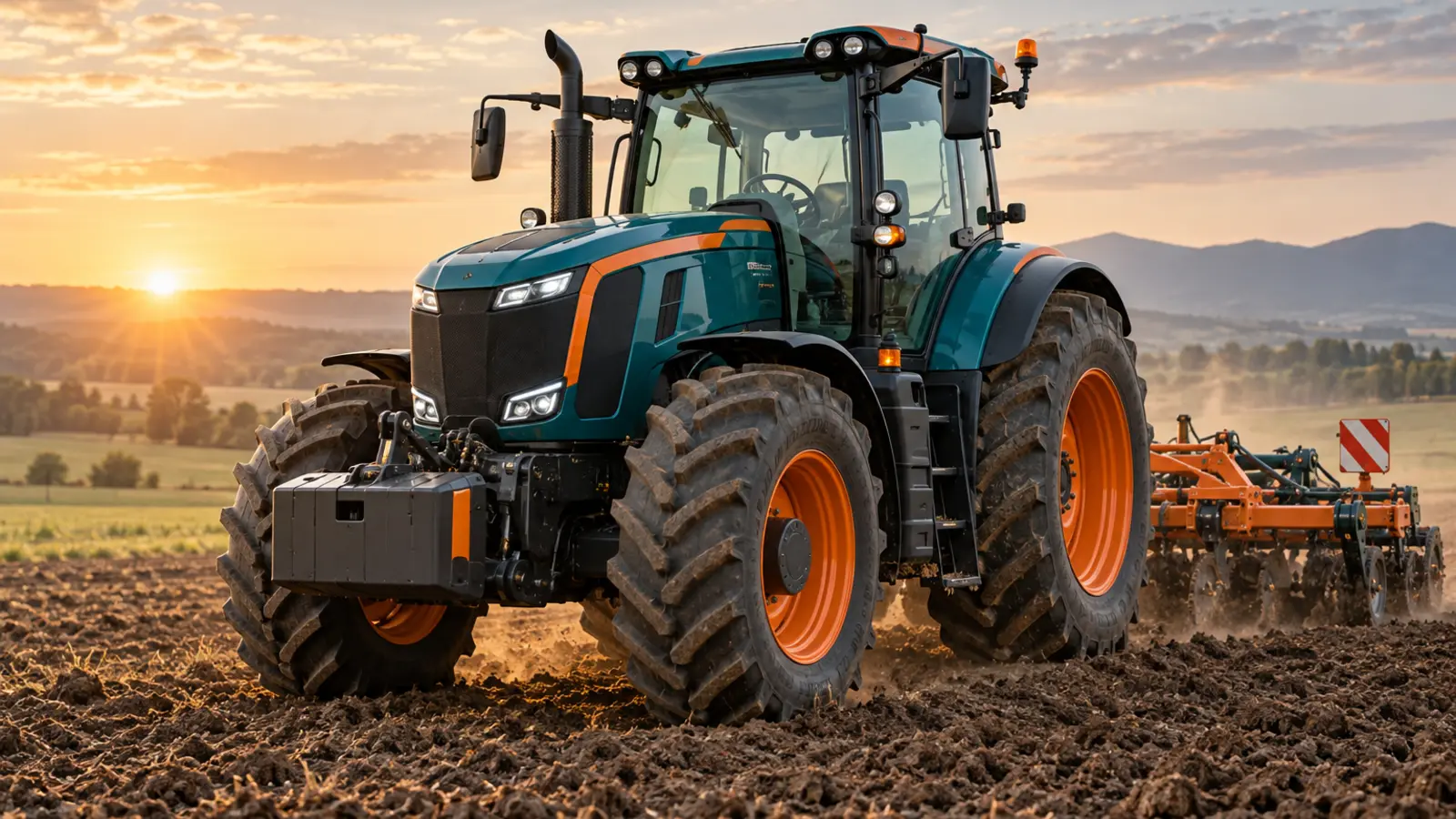
Our catalogue lists ITM 285 4WD at 75 hp and ITM 399 4WD at 110 hp engine power. Those figures identify different engine-power classes; they do not decide which machine fits your implement or field. Review the full technical table and confirm the exact supplied configuration in the written offer.
A clear export enquiry saves time
- List each task and implement, including manufacturer and model where known.
- Attach implement specifications for PTO, hydraulic and hitch requirements.
- Describe crops, acreage, terrain, soil and the seasonal work window.
- Identify service capability, needed manuals and first-service spare parts.
- State the delivery destination and request confirmation of packing, configuration and lead time.
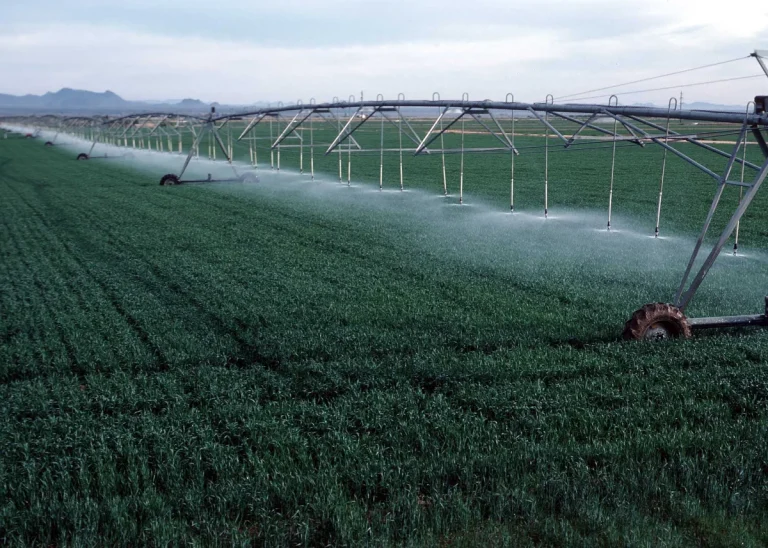
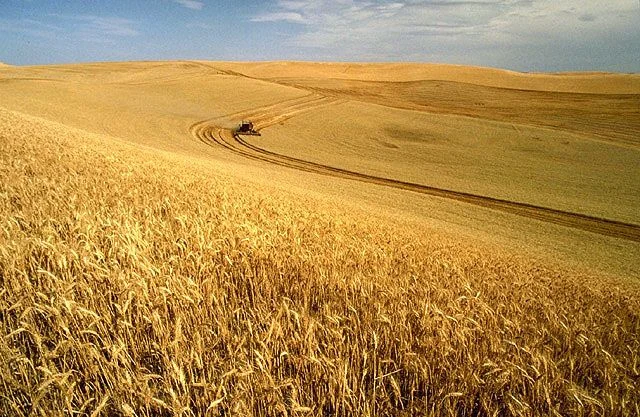
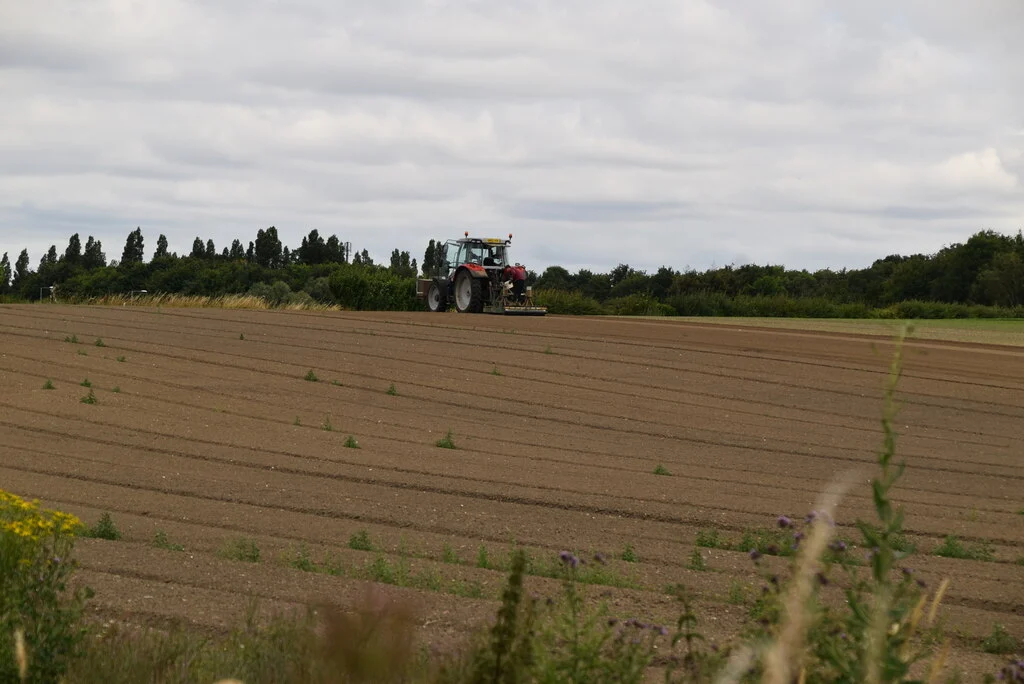
Browse our tractors and machinery and farm implements, then send a project brief. The archive photograph illustrates field work and does not depict either ITM model named above.