

For a farm, distributor or agricultural project, conflict can affect far more than the price of imported grain. Fuel for cultivation, fertilizer for the next season, freight for spare parts and the delivery date of a tractor all belong to the same operating plan. This October 2026 update separates measured market data from earlier forecasts, then turns that context into a practical sourcing checklist.
What the latest food-price figures actually show
The FAO Food Price Index averaged 136.0 points in September 2026, 1.5% above August and 5.8% above a year earlier. It remained 15.1% below its March 2022 peak. This is an international commodity index: it does not establish a particular farm’s costs, local retail prices or the price of an individual machine.
How the shock travels through energy and fertilizer
In its 28 April 2026 outlook, the World Bank projected a 24% annual rise in energy prices and a 31% increase in fertilizer prices. These were forecasts issued in April, not measured October results. They help explain why agricultural buyers should examine operating costs alongside equipment prices, while checking more recent quotations for actual decisions.
The FAO’s March assessment identified the Strait of Hormuz as a vulnerable link in oil, gas and fertilizer trade. Disruption to those flows can raise agricultural input costs across countries, even where local fields and harvests are unaffected by fighting.
Why food prices and farm costs can move differently
A World Bank analysis published on 22 May explained that ample grain supplies and fertilizer already purchased for spring planting initially softened the food-price response. Higher production costs can therefore reach farms before the full effect appears in food markets. Conditions described in May should not be assumed to describe every shipping route or supplier in October.
What agricultural equipment buyers should verify
A usable quotation should make assumptions visible. Our practical procurement checklist is:
- Equipment: confirm the exact model, configuration, compatible implements and the specification revision used in the offer.
- Timing: distinguish production readiness, collection from the factory and expected arrival. Record the date on which each estimate was checked.
- Logistics: ask which freight, packing and handling items are included and which need a separate quotation.
- Support: request the first-service consumables, spare-part references and manuals before dispatch.
- Validity: check how long the written offer remains valid and which changes require a revised offer.
Build a resilient equipment brief
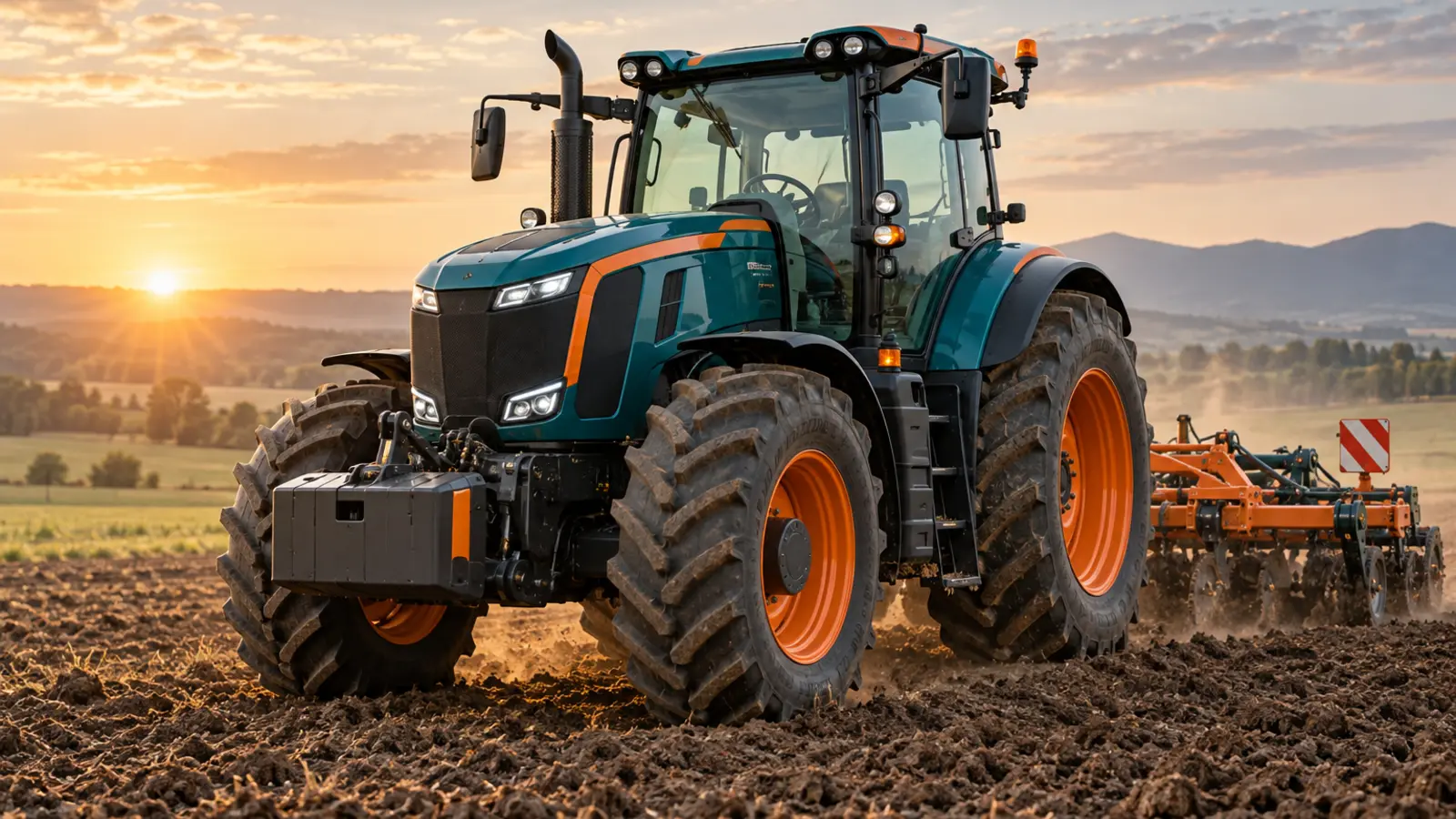
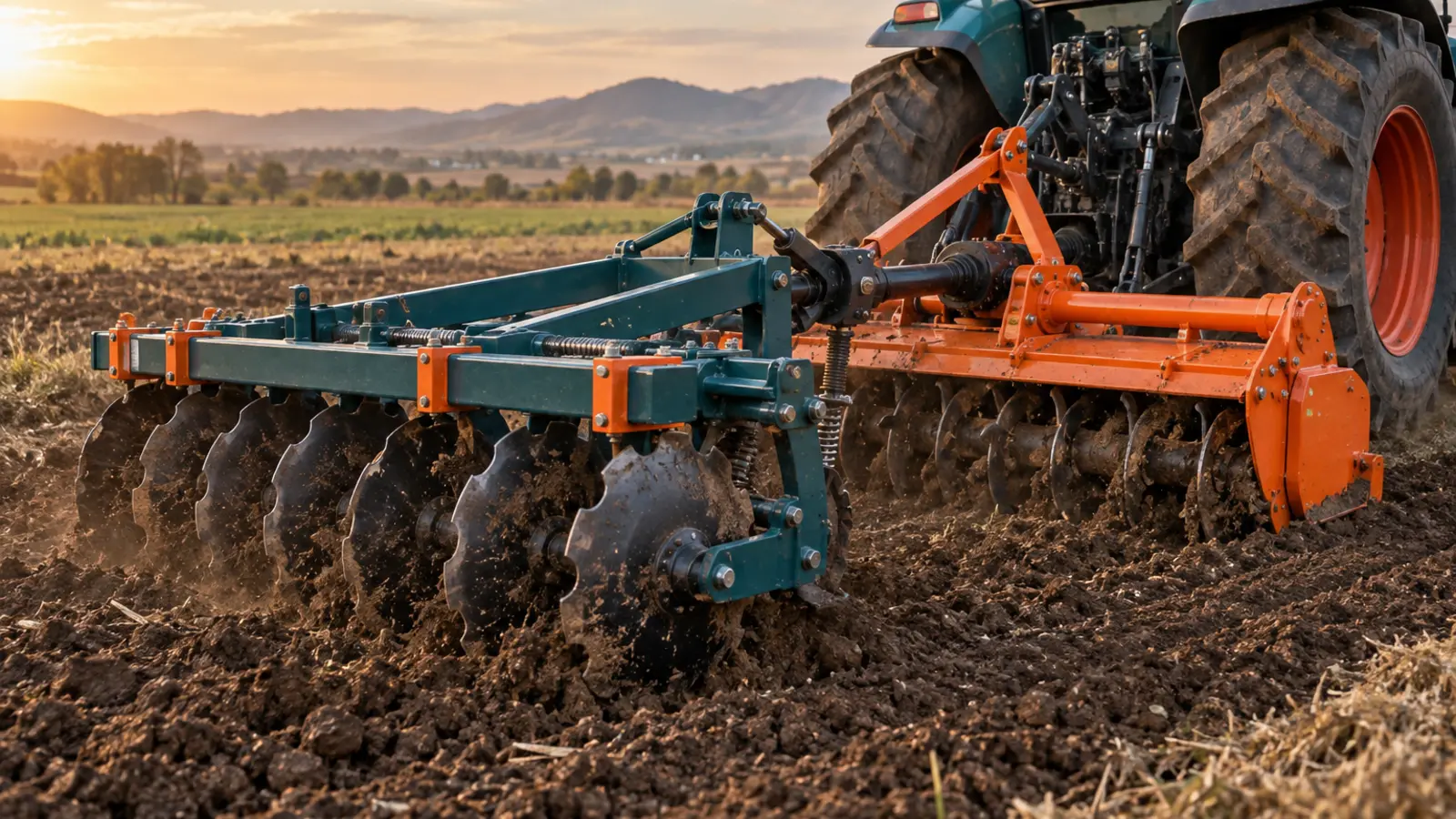
Compare complete working systems rather than isolated purchase prices. A tractor without a suitable implement, or a pump without the filtration and operating data it needs, can leave a project unfinished. Start with the task, available power, crop calendar and delivery destination; then compare configurations against that brief.
Explore our tractors and machinery and irrigation equipment. For an equipment-specific discussion, send the project details through our contact form. Availability, freight and delivery assumptions should be confirmed in the current written quotation.